
The Elixir Protocol:
A board game about co-existence
Duration
01.2025-05.2025Team
Solo Passion ProjectRole
Visual Design, Game Design, Web DesignTools
Blender, Figma, Adobe Illustrator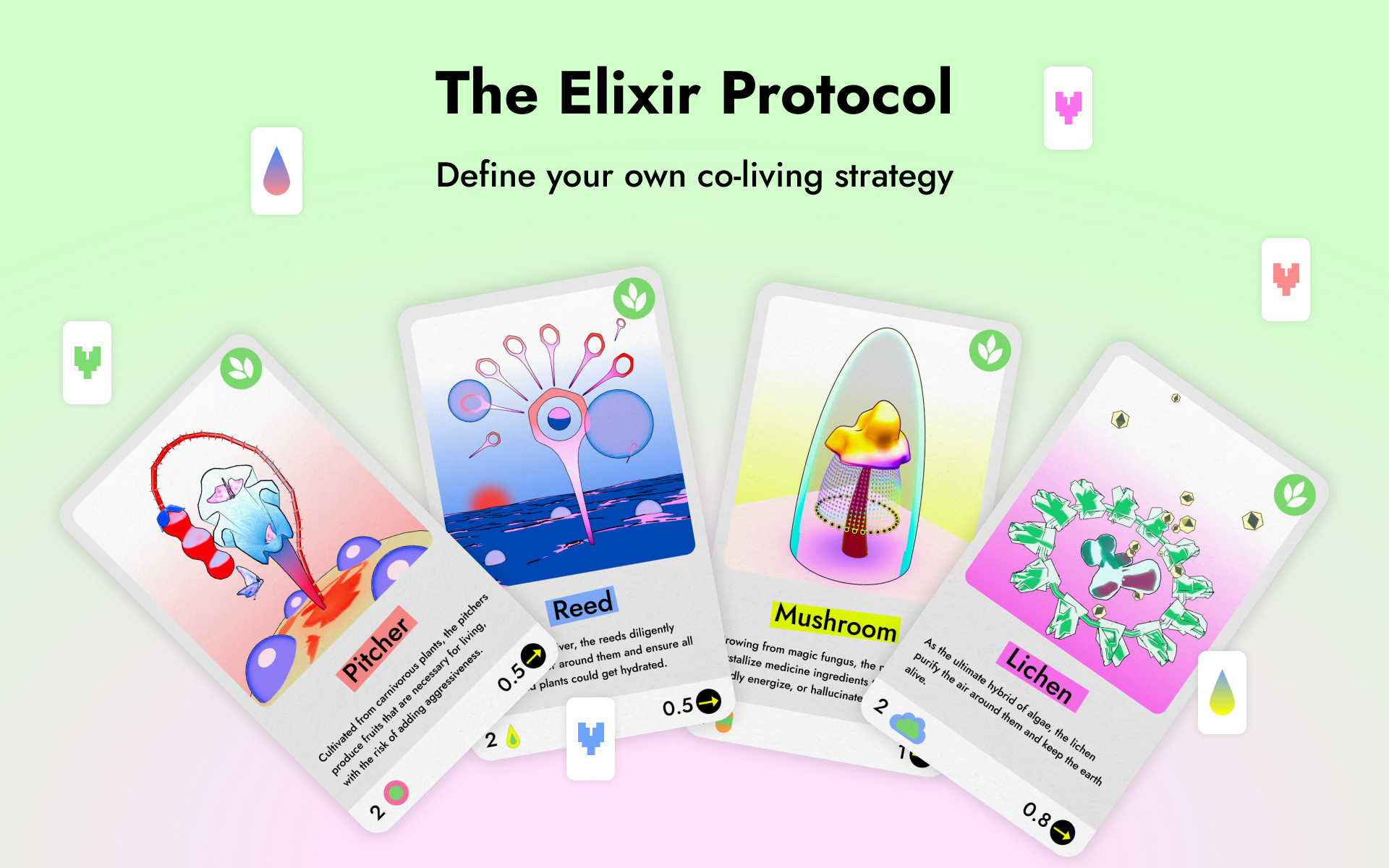
Overview
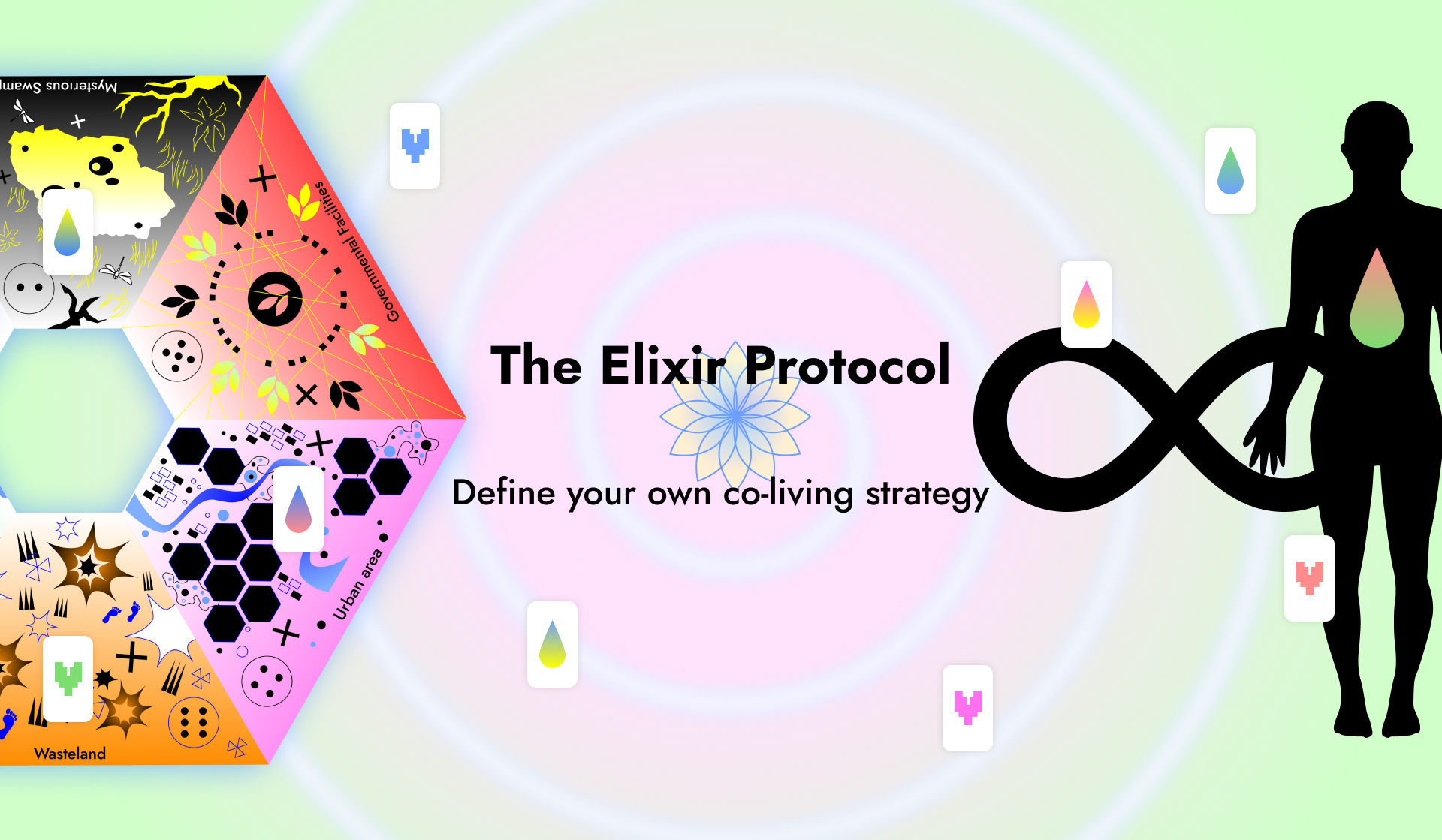
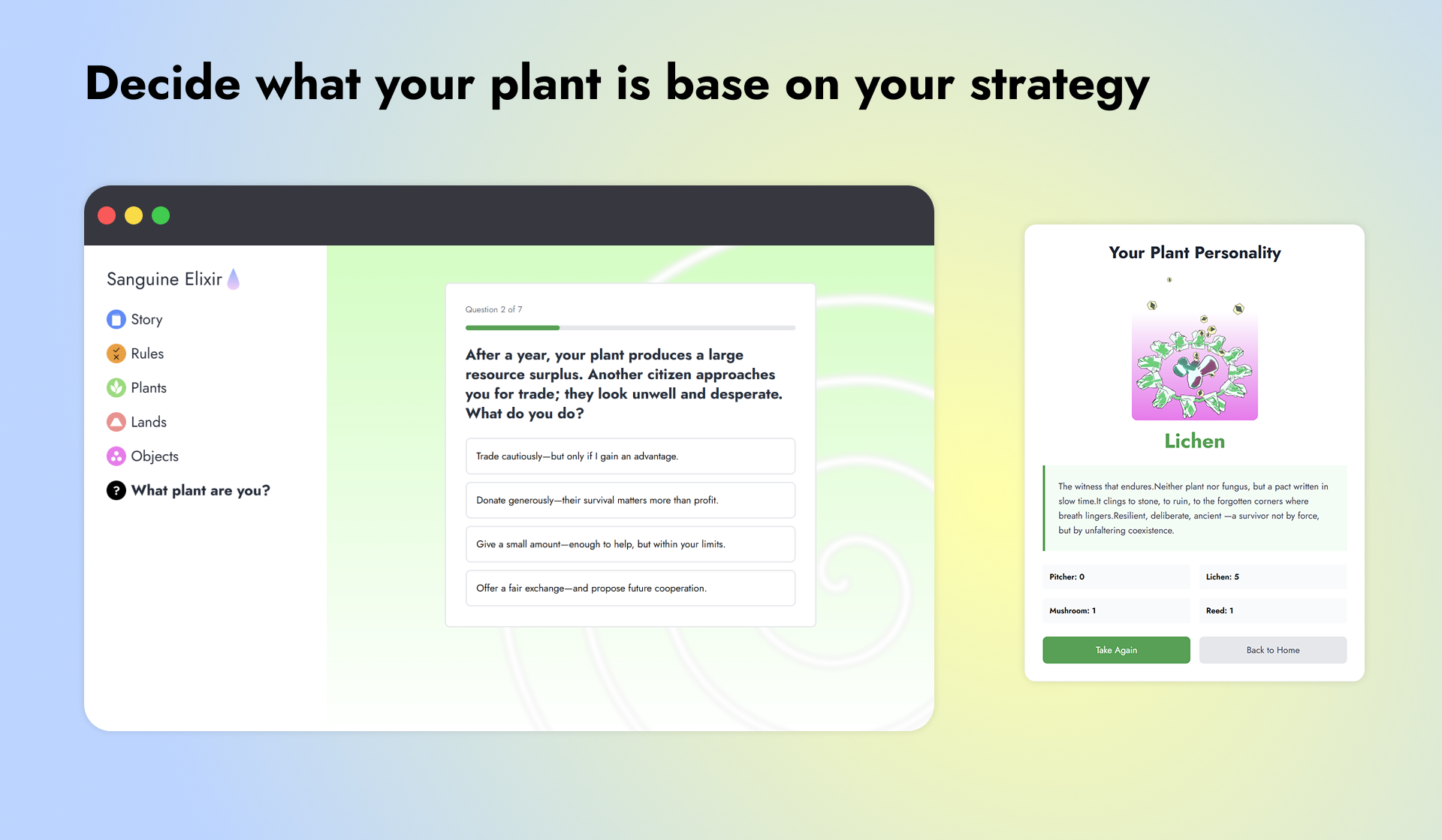
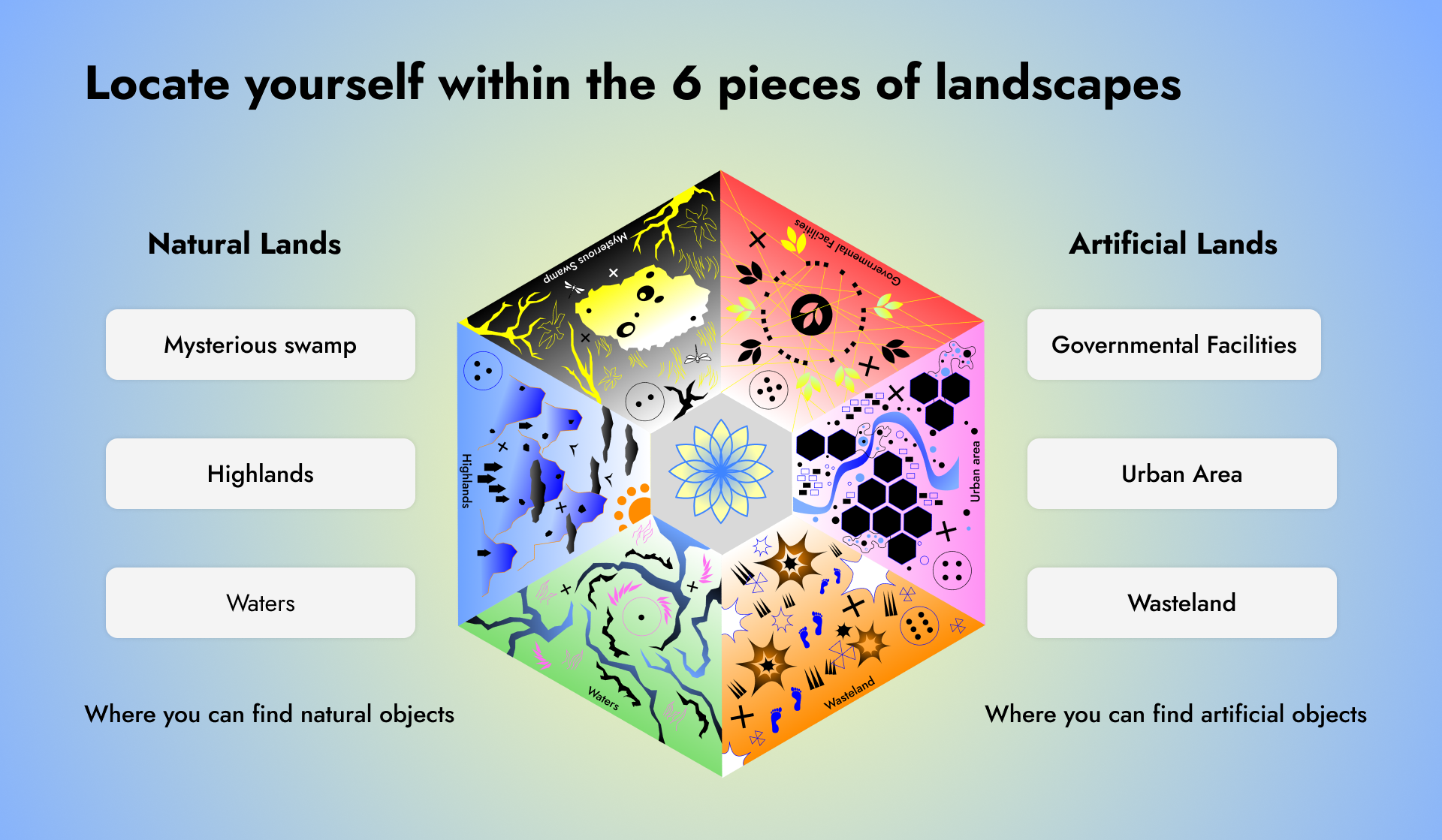
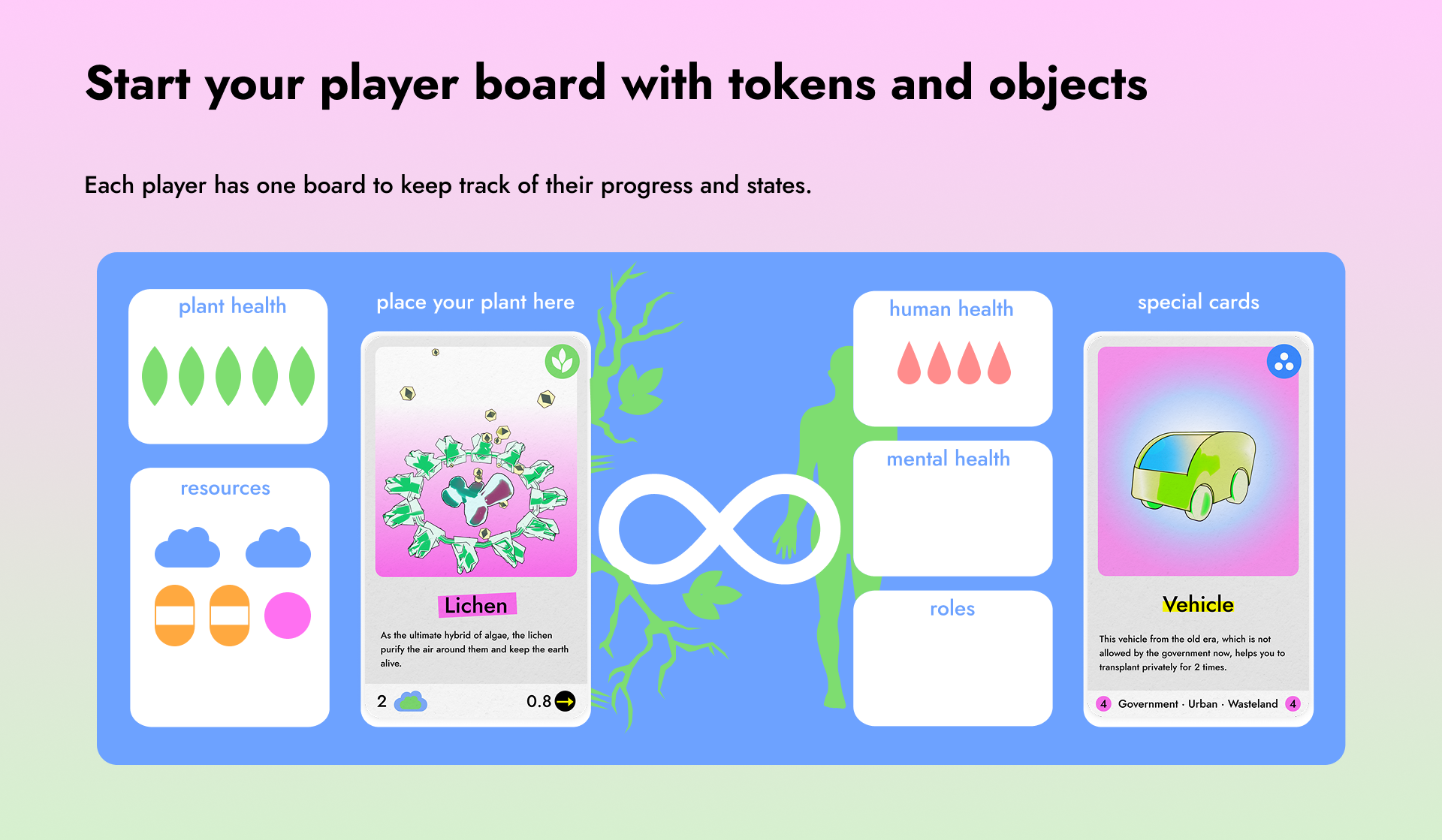
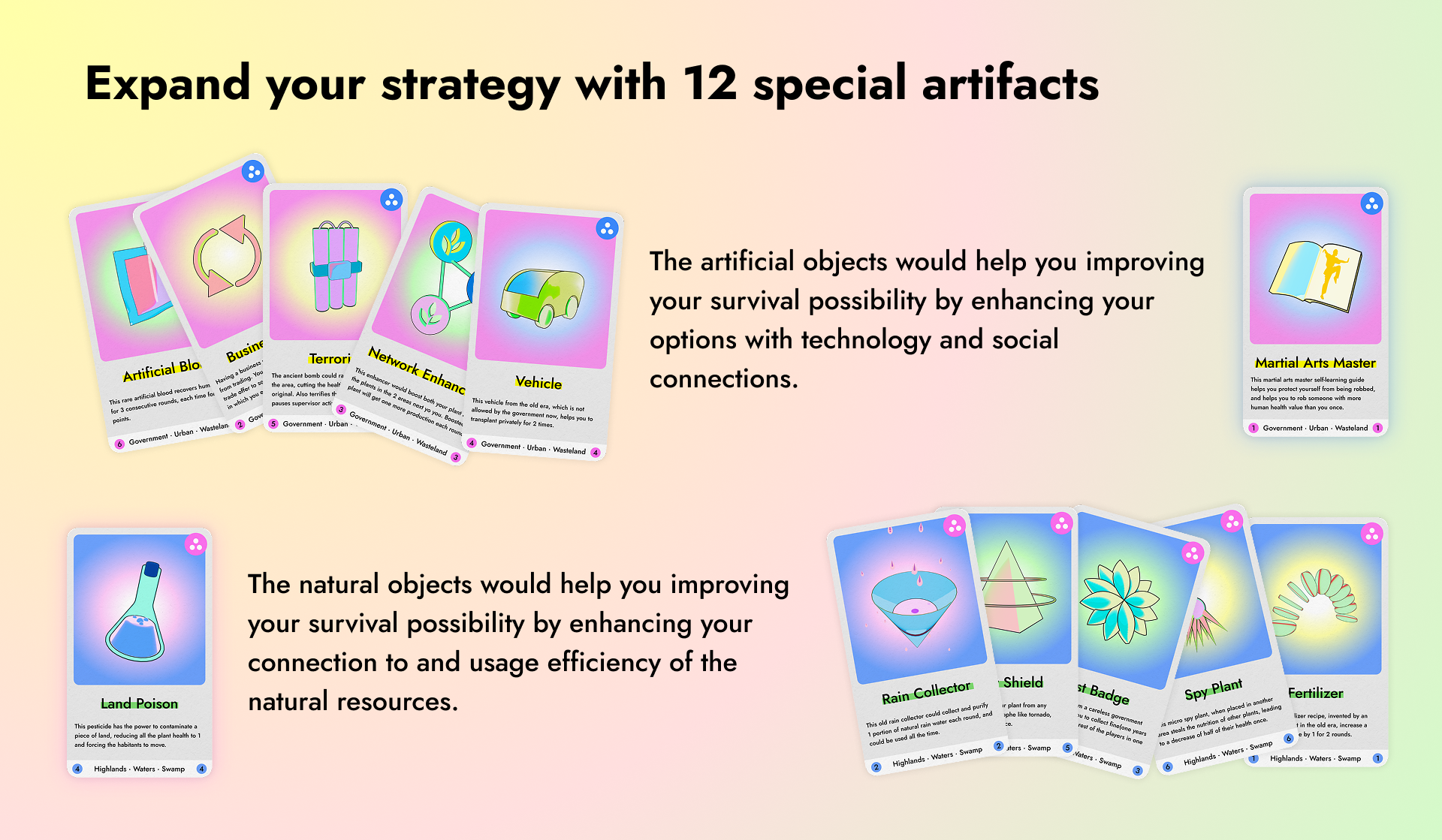
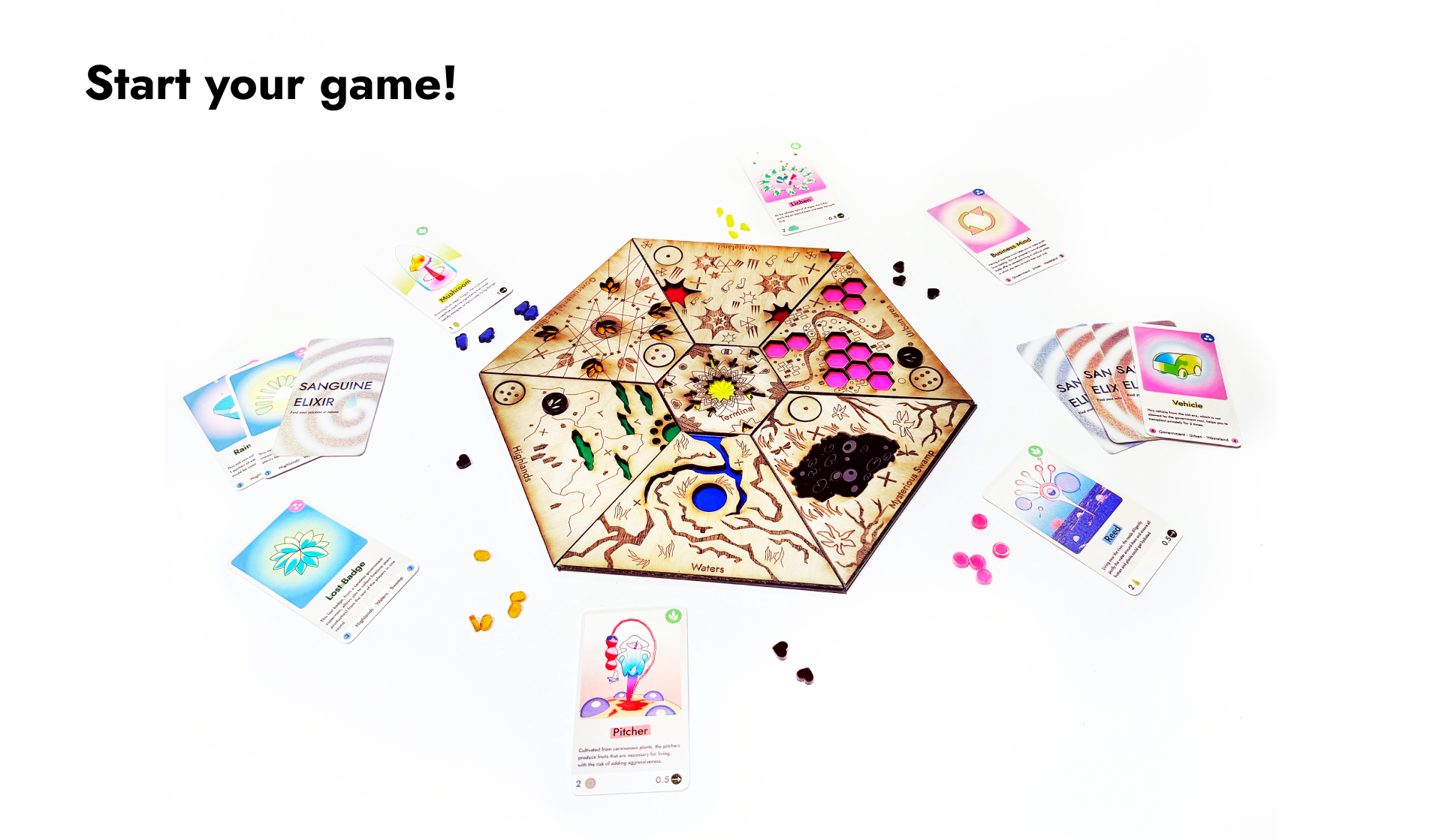
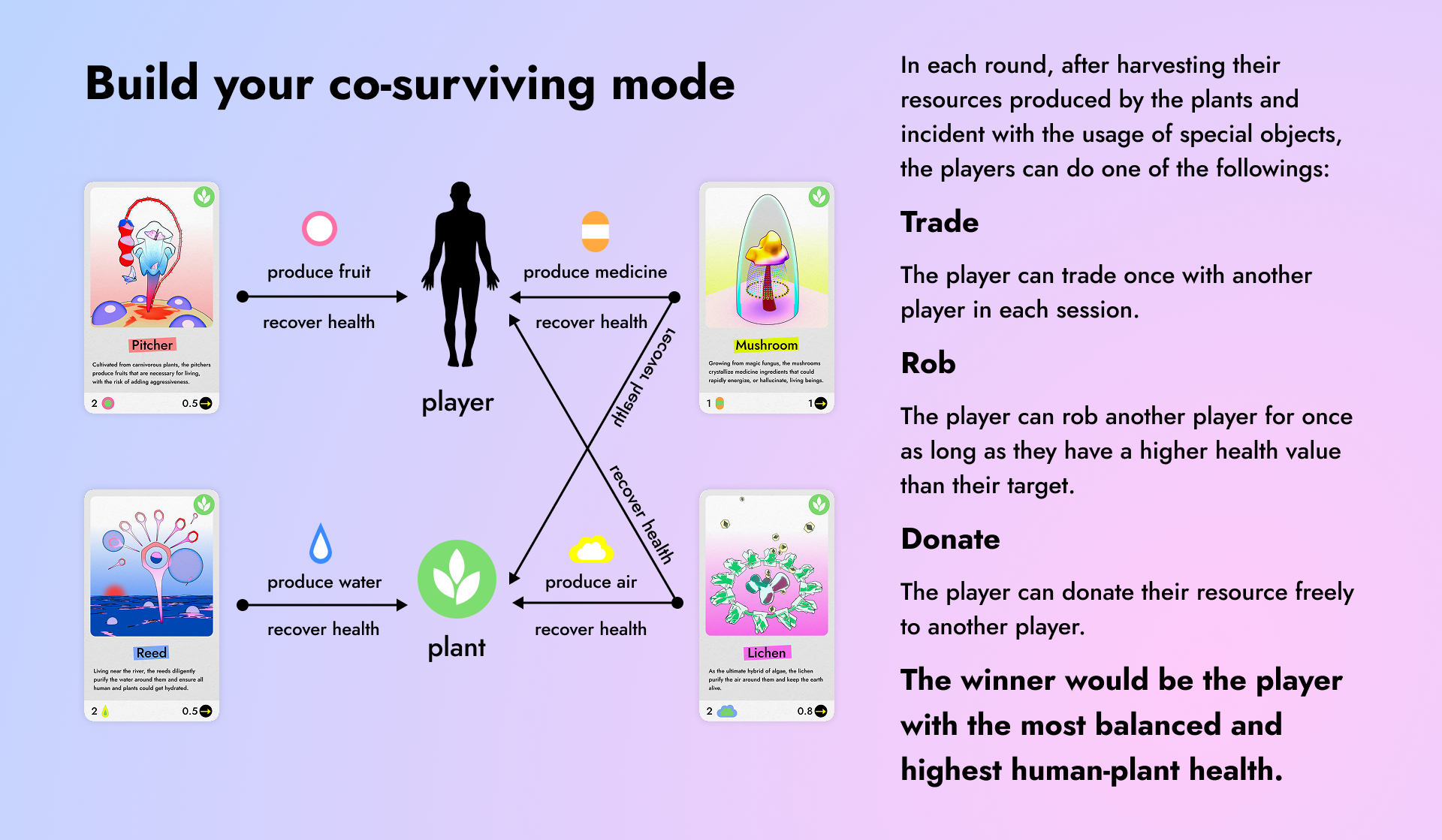
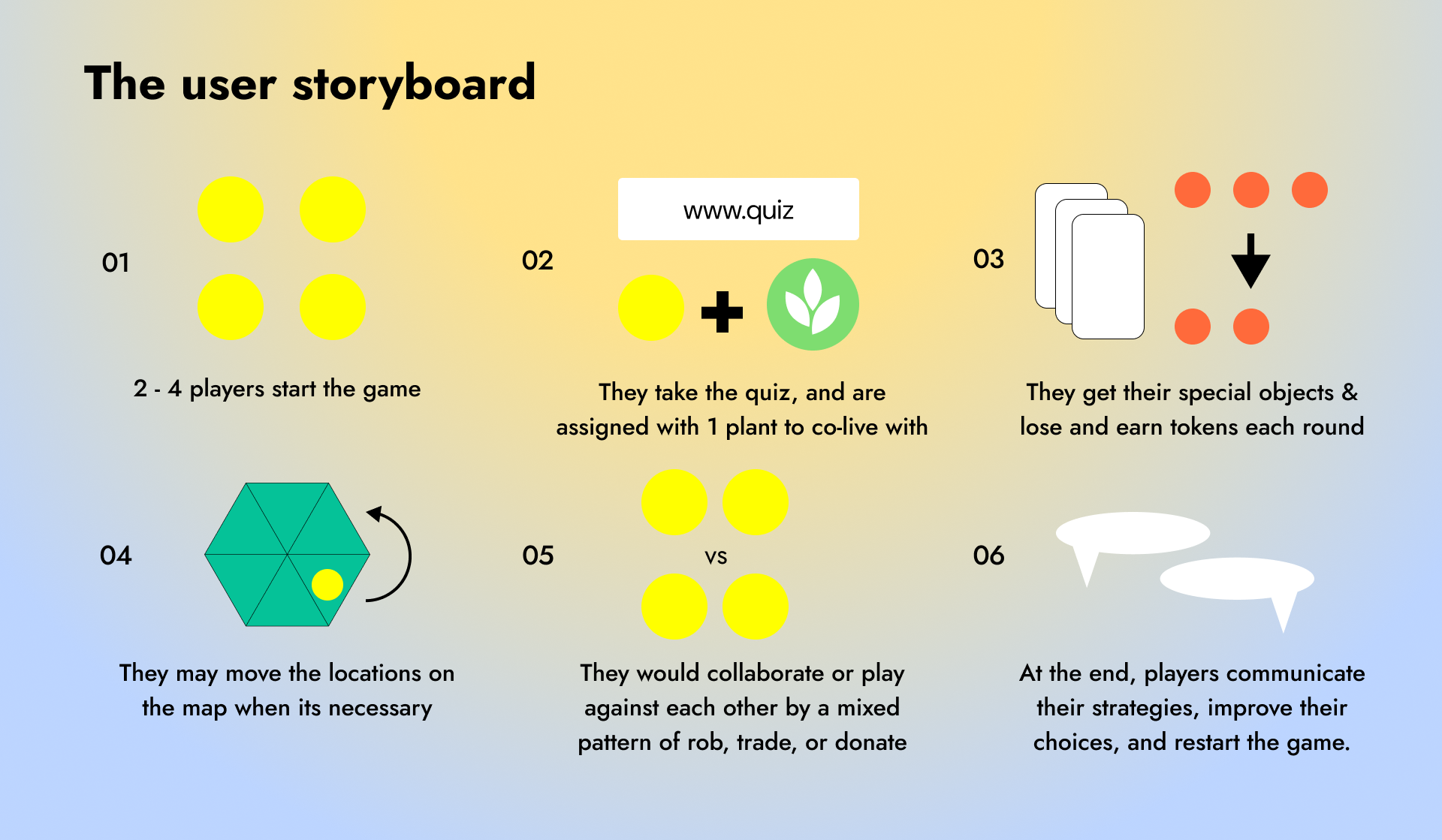
Designed for 2-4 players, the game simulates survival through plant-human partnerships: each player begins with a plant, resources, and a socio-natural context that determines their pathways forward. Progress requires solving individual challenges through strategic use of capabilities, alliances, and networks. The gameplay unfolds through moments of transition, like forming survival strategies, and narrative-building exercises where players co-create hidden layers of the world. This process transforms the game into a collective act of speculation, discussion, and storytelling.
The Final Output
A board game that propels players to ponder about autonomy, environment, and the future of co-existence
Jump to final design︎︎︎
Background & Research
What if my life depends on another life form, in a radical way?
The story of The Elixir Protocal starts with my reflection upon the human-plant relationship. Realizing that I often forgot to water my plant, I started to ponder about a speculative future where I’m obliged to water it and take care of it.
Start from there, I created a parallel world where each human’s life is connected to a plant which produces necessary resources to maintain life. When the plant’s life is in danger, the person would be socially regulated to have less survive resources, and when the plant dies, the person’s life would be terminated too.
Visual design
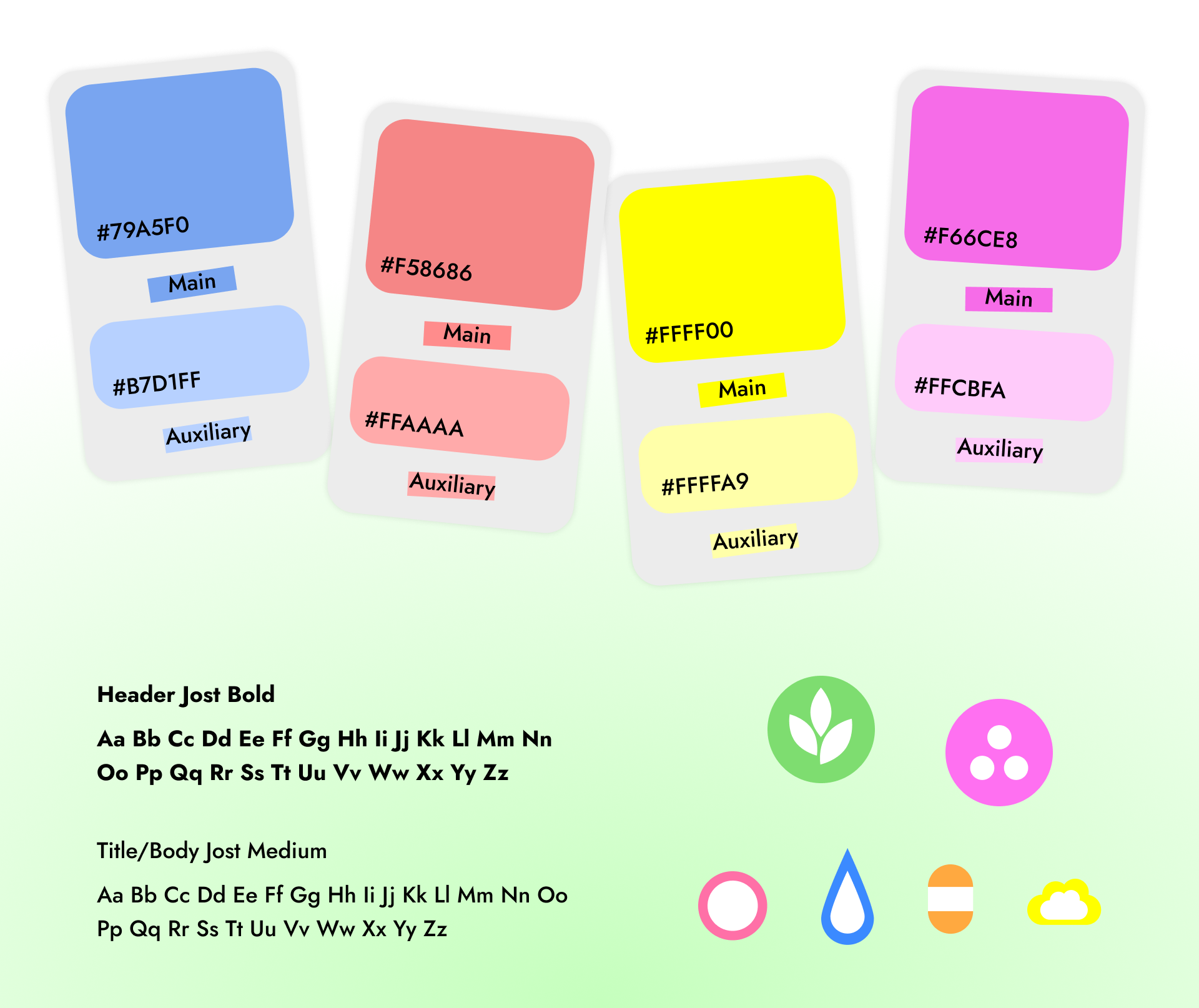
A surreal world that seems whimscal and cheerful but also has traces from the reality
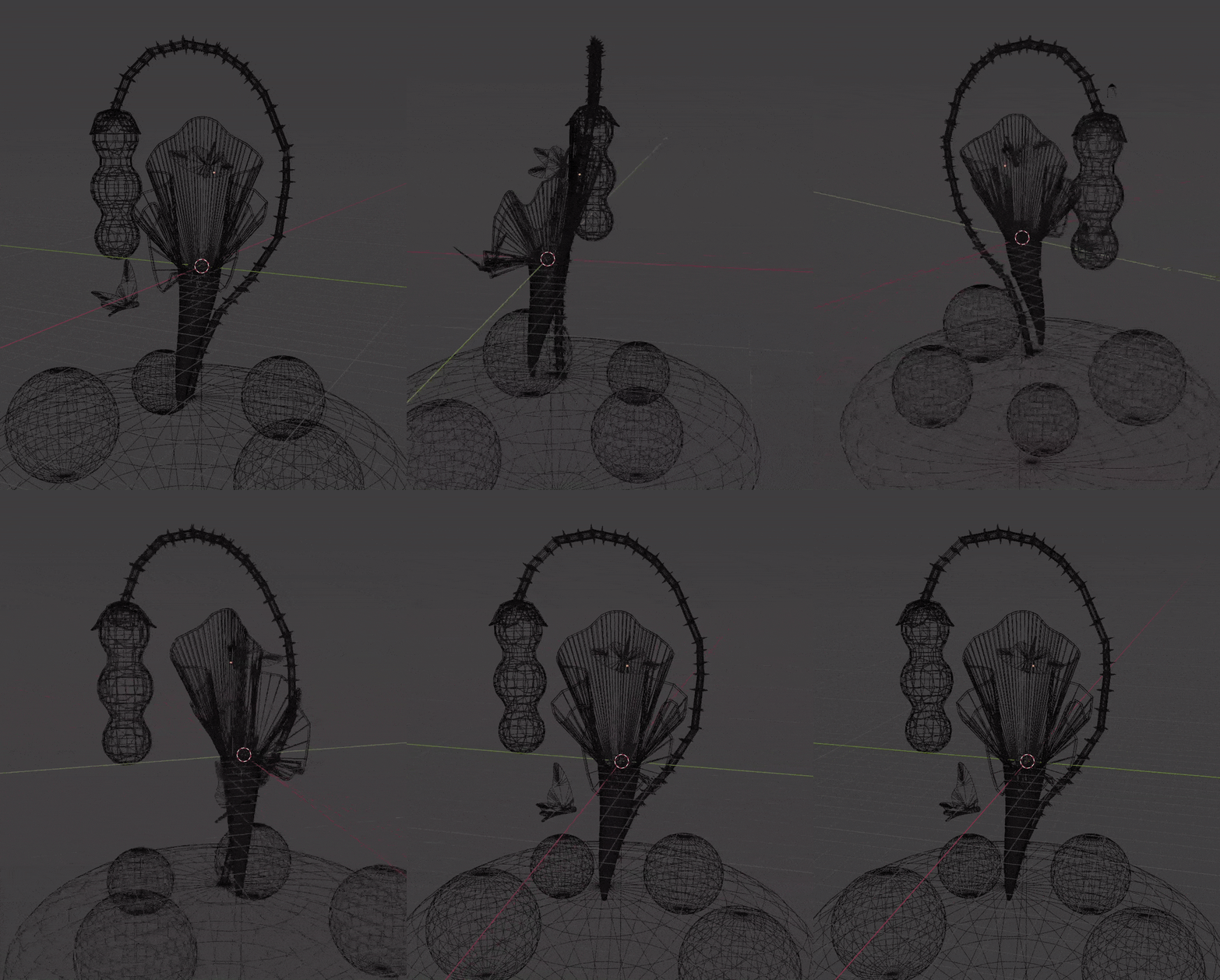
Blender is the major tool to create the illustrations, while figma & Adobe Illustrator are used for graphic design & laser cutting sketch.

User Testing
Storytelling + Data is the key to build mechanism
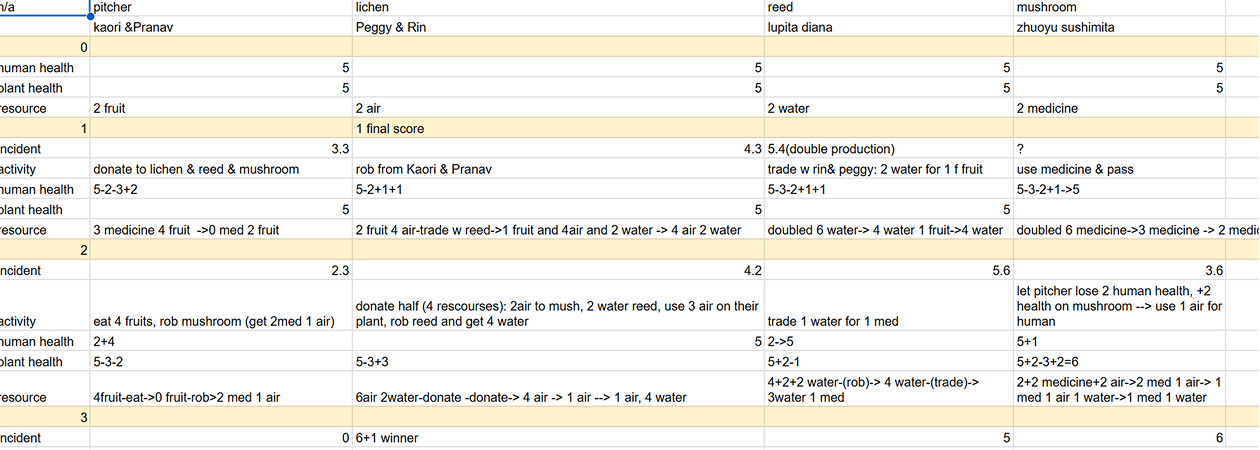
Several rounds of user testing was conducted to help me further study the user scenarios when playing the game. Both mental activities and score fluctuations were recorded in order to generate insights.
Feedbacks includes:
“There should be a guidebook/manual that visualizes the gameplay process.”
“The attributes could be more balanced to create tensions in game play.”
“The visual design is really attractive. I hope there are more items to unlock.”
Final Design
A game that makes you navigate the fragile politics of survival, where every player’s choices ripple through a shared ecosystem.



Takeaways
What to consider when building a system?
1. Visual language helps the users understand their tokens, roles, and objectives. Clear visual communication through multiple rounds of iterations would be most efficient way in connecting with the users by catching their attention and offer more affordance.
2. A product is successful when it reflects the user’s personal values and creates a sense of accomplishment for them. A good game allows the players to form their own strategy on the way to ssuccess instead of pushing them to pursue the same path. Developing individualized options could build more conficence and immersiveness when playing.